What if your Aggie gameday place could be more than a crash pad for football weekends? In College Station, buying near Texas A&M can be exciting, but it also comes with real questions about traffic, parking, taxes, and rental rules. If you are thinking about a condo, townhome, or house near campus, this guide will help you understand what matters most before you buy. Let’s dive in.
Why gameday homes work differently
Buying a home near Texas A&M is not the same as buying a typical second home in a college town. Kyle Field seats 102,733 people, and football weekends can bring more than 100,000 fans into the area. That kind of crowd changes how you should think about access, parking, and overall convenience.
Texas A&M’s game transportation guidance makes it clear that game weekends are busy enough that many people choose to walk, use rideshare, or take a shuttle instead of driving around campus. The university also notes that free shuttles operate from downtown Bryan, and football parking restrictions are in effect from Friday evening through Saturday on home game weekends. If you want a true gameday property, location alone is not enough. You also need a plan for getting in and out.
Best areas near Texas A&M
Northgate for walkable access
Northgate is one of the closest and most active areas near campus. The City of College Station describes it as a mixed-use district with businesses, residences, churches, and entertainment venues across about 150 acres. For many buyers, that means easy access to the campus atmosphere and a short walk to game-related activity.
Parking matters a lot in Northgate. The city lists a 719-space garage, a 98-space surface lot, and 104 marked ParkMobile spaces, with home football pricing that can reach $5 per hour in the garage and on-street spaces. If you are considering a property here, it is smart to look closely at how residents and guests handle parking on game weekends.
Northgate can be a strong fit if you want to be in the center of the action. It may also appeal to buyers interested in a more rental-oriented setting, given its location and mixed-use character.
Eastgate for close-in residential feel
Eastgate sits along the eastern edge of the Texas A&M campus. The city describes it as one of the oldest parts of College Station, with largely single-family homes and some aging commercial and multifamily properties around the perimeter. That mix can make it appealing if you want to stay close to campus without being in the entertainment core.
For some buyers, Eastgate offers a more residential setting while still keeping Texas A&M within easy reach. If your goal is personal use on gamedays with flexibility for the rest of the year, this area is worth a closer look.
Southside for campus proximity
Southside is directly across from the southern edge of campus. That makes it another practical option if you want quick access to Texas A&M but prefer a location outside Northgate’s busiest entertainment zone. Buyers often like this area when they want convenience without quite as much game weekend intensity.
Like Eastgate, Southside can make sense if you want a home that feels more residential while still being close to the university. The right fit depends on how much walkability, traffic exposure, and activity you want on game weekends.
Choosing the right property type
Condos and townhomes
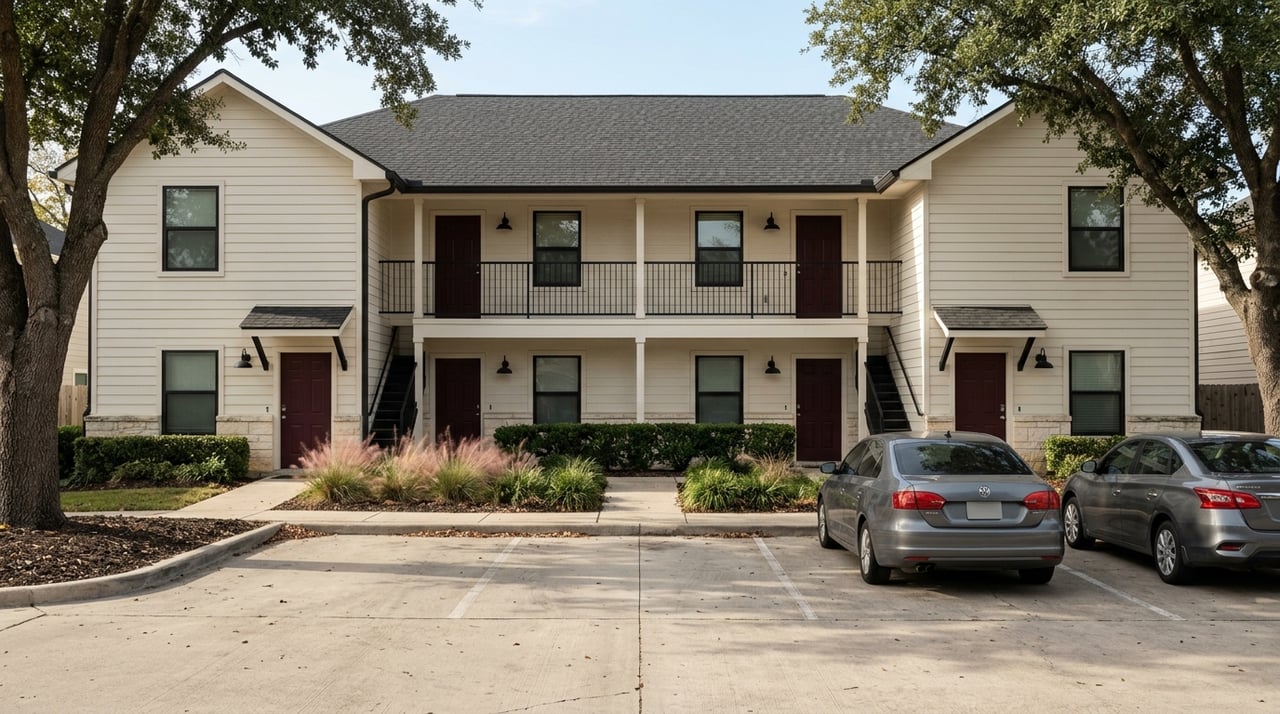
Condos and townhomes are often popular for gameday use because they can offer lower-maintenance ownership than a detached home. They may also be appealing if you want a lock-and-leave setup for occasional visits. Still, you should not assume that easier maintenance means fewer rules.
In College Station, property use can be affected by HOA or declaration documents. In Texas, property owners’ associations can enforce restrictive covenants, charge fees, and set rules about parking, leasing, and use. Before you make an offer, review those documents carefully and ask for a resale certificate and governing documents if they are available.
Single-family homes
A single-family home may give you more space, more privacy, and more flexibility for personal use. In some close-in parts of College Station, that can be a great match for families, alumni, or buyers who want a home they can use often beyond football season.
But rental compliance matters here too. College Station requires rental registration for non-owner-occupied single-family homes, townhomes, duplexes, triplexes, fourplexes, fiveplexes, and sixplexes. If you are buying with any plan to lease the property, even part time, you need to understand how the city classifies the home.
Understand rental rules before you buy
One of the biggest mistakes buyers make is focusing on location and price while treating rental rules as an afterthought. In College Station, short-term rentals and long-term rentals are handled differently, and the city has clear requirements for each.
Short-term rental rules
If you plan to rent a residential unit for fewer than 30 consecutive days, the city requires a short-term rental permit. According to the city, the permit fee is $100, the inspection fee is $100, the renewal fee is $75, and the permit is valid for one year. Operators must also meet life-safety and code requirements, provide a guest brochure, and collect and remit hotel occupancy taxes monthly.
Those taxes add up. In College Station, short-term rental lodging is subject to a combined hotel occupancy tax rate of 15.75%, made up of 7% city tax, 2.75% Brazos County tax, and 6% state tax. If you are underwriting a gameday rental property, that cost needs to be part of your math from day one.
Long-term rental rules
For long-term rentals, the city requires rental registration for non-owner-occupied qualifying properties. If the owner does not live in College Station, the city also requires a local contact within 30 miles of City Hall. The city notes that even homes occupied by family members, but not the owner, are still considered rental property for registration purposes.
That detail matters for many Aggie families. If you are buying a place for a student or relative but you will not live there yourself, you should confirm how the city will classify the property.
Know the tax picture
A gameday home can serve different goals. It could be your second home, your future retirement place, a property for a student, or an investment. Your intended use affects taxes and exemptions, so this is one of the first decisions to make.
Texas has no state property tax, but local taxing units set rates. For 2025, the posted rates include Brazos County at $0.419700, the City of College Station at $0.511872, and College Station ISD at $0.975300 per $100 of taxable value. Your actual tax bill can vary depending on any applicable special districts.
If the property is your principal residence, you may qualify for a residence homestead exemption. The Texas Comptroller says school districts must provide a $140,000 exemption, and other local taxing units may offer a local option exemption of up to 20% of appraised value. The general application deadline is before May 1.
There is another key difference between personal and investment use. If a home qualifies as a residence homestead, annual appraised value increases are capped at 10% plus the value of new improvements. That cap does not apply to pure investment properties, so buyers should be realistic about long-term carrying costs.
Parking and access can make or break it
Near Texas A&M, parking is not a small detail. On game weekends, it is often the detail that shapes your whole ownership experience. A home that looks perfect on paper may feel much less convenient if guest parking is limited, access routes are restricted, or the building’s rules do not match your plans.
This is especially important in Northgate and near major campus entry points. The city and university both publish event parking guidance, shuttle timing, and restrictions around football weekends. Before you buy, verify how the property handles owner parking, visitor parking, and access during busy event days.
Texas A&M also maintains parking plans for athletics events beyond football. That means event-driven traffic and demand may show up at other times of year too, not just on fall Saturdays.
A smart checklist before making an offer
If you are serious about buying a gameday home near Texas A&M, keep your process simple and practical. These are the questions worth answering before you go under contract:
- Is this property meant to be your primary residence, second home, or rental investment?
- What are the exact parking and access rules for the block, building, or complex?
- Do HOA documents limit leasing, parking, exterior changes, or occupancy use?
- If you want rental income, does the property fit the city’s permit or registration rules?
- If you live outside College Station, who will serve as the required local contact if needed?
- Have you estimated property taxes, hotel occupancy taxes, HOA dues, and any recurring parking costs?
A good gameday purchase is usually the one that matches your real use plan, not just your excitement on kickoff weekend. The right home can be fun, practical, and financially sound, but only if the details line up.
If you are weighing Northgate against Eastgate, comparing condos to single-family homes, or trying to understand how rental rules affect your plans, local guidance matters. The Aggieland market is full of opportunity, but the best decisions come from looking at the whole picture, not just the map. When you are ready to talk through your goals, Lisa Cadena Craig can help you find the right fit for how you want to use the property.
FAQs
What makes buying a gameday home near Texas A&M different?
- The biggest difference is event impact. With Kyle Field seating 102,733 and major football crowds coming into College Station, buyers need to think beyond the home itself and pay close attention to parking, traffic, shuttle access, and weekend restrictions.
What College Station areas are best for a Texas A&M gameday home?
- Northgate is the closest to entertainment and game activity, while Eastgate and Southside offer close campus access in areas that generally feel more residential.
Does College Station allow short-term rentals near Texas A&M?
- Yes, but the city requires a short-term rental permit for rentals of fewer than 30 consecutive days, along with inspection, code compliance, and monthly hotel occupancy tax remittance.
Do non-owner-occupied homes in College Station need rental registration?
- Yes. The city requires rental registration for non-owner-occupied single-family homes, townhomes, duplexes, triplexes, fourplexes, fiveplexes, and sixplexes.
Can an HOA restrict how you use a gameday condo near Texas A&M?
- Yes. HOA or declaration documents may include rules about leasing, parking, fees, and property use, so buyers should review those documents carefully before making an offer.
Do you get a homestead exemption on a Texas A&M gameday home?
- Only if the property is your principal residence and otherwise qualifies as a residence homestead. A second home or pure investment property is treated differently.