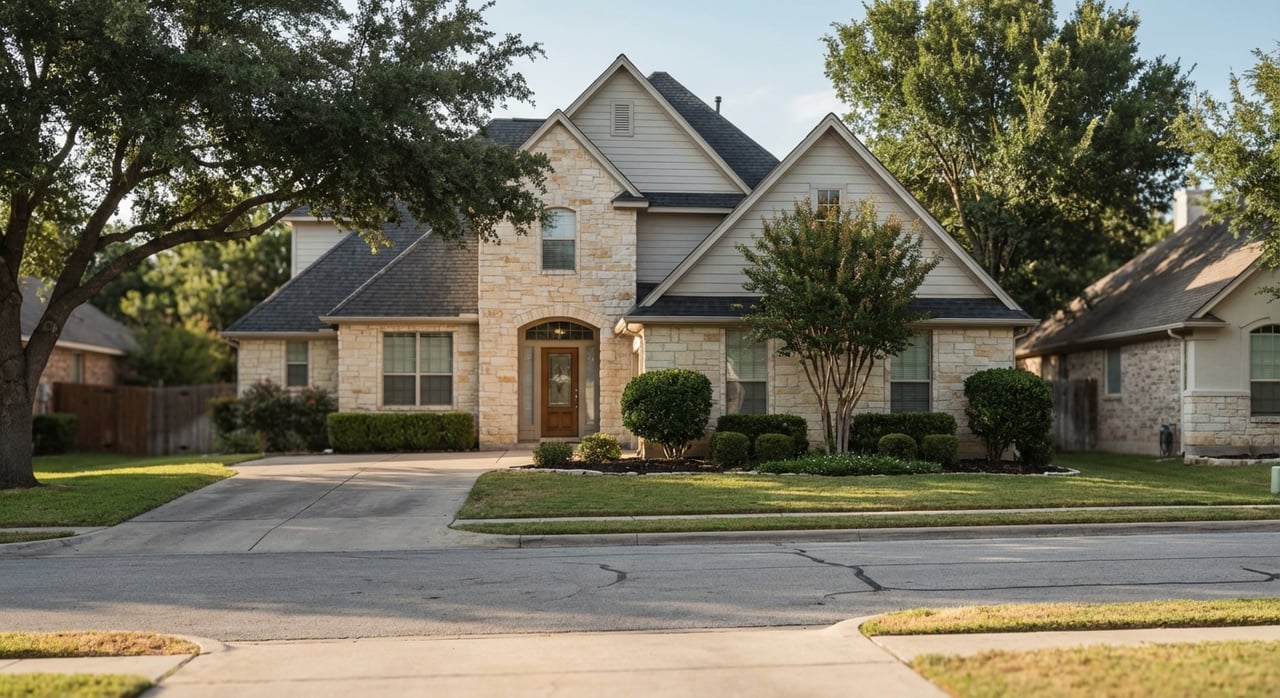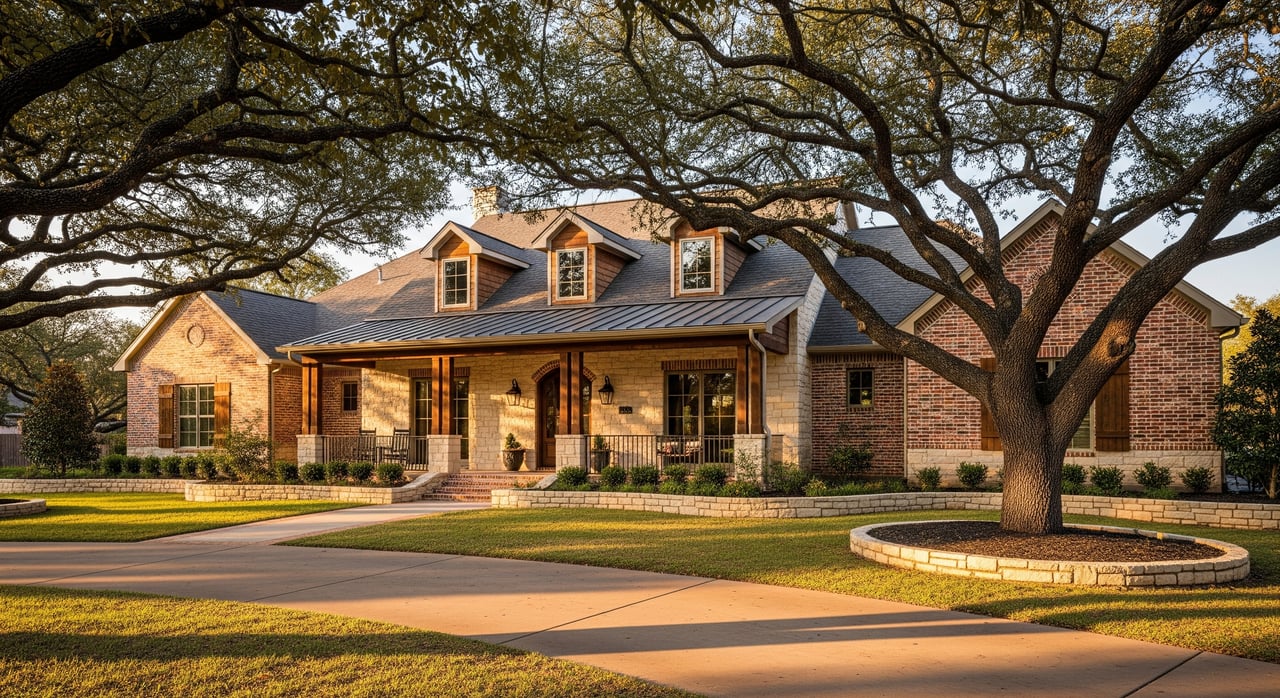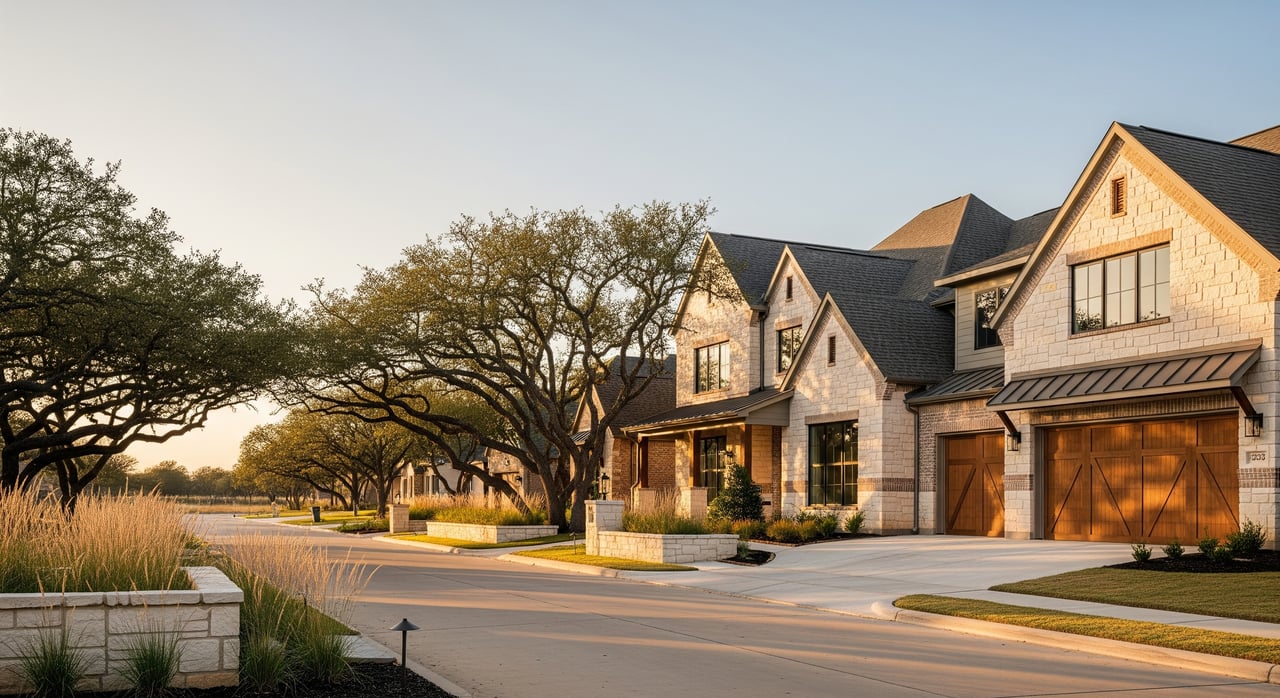
Thinking about a new-build home in College Station and trying to decide where to plant roots? You are not alone. With attractive neighborhoods like Southern Pointe, Mission Ranch, and Greens Prairie, it can be hard to compare apples to apples. In this guide, you will learn how to evaluate lots, amenities, HOA rules, taxes, warranties, and day-to-day lifestyle so you can move forward with confidence. Let’s dive in.
Quick orientation
New construction in College Station attracts first-time buyers, growing families, and Aggie-connected move-ups who want modern layouts, energy-efficient systems, and a clean maintenance slate. Southern Pointe, Mission Ranch, and Greens Prairie are three popular options you will likely tour if you want a build that feels fresh and convenient to the heart of Aggieland.
Use the sections below as a practical worksheet while you visit model homes and talk with sales reps.
Southern Pointe, Mission Ranch, Greens Prairie at a glance
Each community will have its own master plan, active builders, and phase timing. Since details change often, use this framework as you visit:
- Southern Pointe: Ask about current phases, active builders, and the amenity timeline. Request the plat map that shows lot sizes and any greenbelts or ponds.
- Mission Ranch: Request the community map, builder roster, and ARC (Architectural Review Committee) guidelines for exteriors, fencing, and landscaping.
- Greens Prairie area: Confirm which sections are actively building, the types of lots available, and any special assessments tied to new phases.
Tip: Bring a notebook or use your phone to save photos of posted maps and model-home spec sheets.
Lot types and site considerations
Choosing the right lot is as important as picking a floor plan. Walk the lot, not just the model.
- Lot categories to compare: patio or zero-lot-line, standard interior, corner, cul-de-sac, estate, greenbelt or lake-adjacent, pie-shaped or irregular.
- Verify lot-size range, frontage, and setbacks to understand the buildable envelope and yard usability.
- Ask about easements, utility corridors, drainage swales, and nearby detention ponds that can limit fencing or outdoor living plans.
- Check flood risk. Use the official FEMA Flood Map Service Center to review 100- and 500-year floodplain overlays and ask whether elevation certificates or fill are required. Start with the FEMA Flood Map Service Center and request the exact flood zone for the specific lot from the sales office. Visit the FEMA Flood Map Service Center to review your lot’s flood zone.
Amenities and everyday lifestyle
Amenities vary by phase and can change as communities grow. Confirm what exists now and what is planned.
- On-site amenities to ask about: pools, playgrounds, sports courts, trails, dog parks, lakes or ponds, community centers, pocket parks, and planned retail.
- Public improvements: sidewalks, lighting, street widths, bike lanes, and trail connections.
- Proximity: ask for drive times to Texas A&M, downtown, grocery, healthcare, and major employers at different times of day.
- Phase plan: verify future phases, amenity timelines, and location of any commercial parcels.
Bring the community master plan so you can visualize how your street will evolve over the next few years.
HOA and community rules
HOA or POA rules shape your day-to-day experience. Always request the full CC&Rs and budget before you buy.
- Governance: confirm the association name, management company, and whether dues are monthly, quarterly, or annual.
- Fees: ask about regular dues, transfer fees, initiation or capital contributions, and any amenity access fees.
- Rules to review: architectural approval process, exterior materials, paint palettes, fence types and heights, landscaping standards, RV or boat parking, and short-term rental policies.
- Enforcement: ask about fines, reserve funding policy, and whether there is any history of special assessments.
Tip: Request a sample ARC application so you understand timelines and documentation required for changes later.
Property taxes and special districts
Your monthly payment depends on both your mortgage and your property taxes. New homes are assessed after completion, and tax proration at closing can vary.
- Where to verify rates: Use the Brazos County Appraisal District to check tax entities for a specific property and the current combined rate components. Visit the Brazos County Appraisal District site to research tax entities and appraisal info.
- City and utilities: Confirm whether the home is inside College Station city limits and which utilities will serve the address. Start with the City of College Station for city tax and utility service context.
- School district: Confirm attendance zones directly with College Station ISD, since boundaries can change. Review attendance information with College Station ISD.
- Estimating taxes: Multiply the appraised value by the total combined tax rate, then subtract any exemptions you qualify for. Ask your agent to prepare a sample estimate for your target price point.
Builder offerings and warranties
A builder’s warranty and service process are part of the home’s value. Get it in writing.
- Typical warranty structure to request: workmanship and finishes (often short term), major systems like HVAC, plumbing, and electrical, and longer structural coverage for the building frame. Confirm exact durations and what is excluded.
- Claims process: ask how to submit requests, average response times, who performs repairs, and whether there is a dispute resolution clause.
- Inspections: request a pre-drywall walkthrough, final punch list, and a one-year service check. Consider hiring a third-party inspector at closing.
- Upgrades and options: confirm which features are standard versus upgrades and whether certain custom items affect warranty coverage.
You can request consumer-protection guidance and contract tips from the Texas Real Estate Commission. Review consumer resources at the Texas Real Estate Commission.
New build vs resale: what to weigh
Both paths can make sense depending on your timing and budget.
- New construction: customization, energy-efficient systems, and warranty coverage, but you may live through nearby construction and evolving phases.
- Resale: mature landscaping, established neighbors, and immediate availability. Compare final cost per finished square foot, including lot premiums and upgrades.
- Financing: ask about builder incentives, rate buydowns, or preferred lender options, and how appraisals are handled in new phases.
If you are an investor, weigh rental demand, time to completion, and whether the HOA allows leasing or short-term rentals.
Model-home tour checklist
Bring this checklist to every model so you can compare communities side by side.
Exterior and lot
- Exact model address, lot type, and lot dimensions.
- Setbacks, easements, drainage direction, and any nearby detention facilities.
- Fence options and permitted heights. Exterior materials and maintenance notes.
- Garage orientation, driveway slope, and length.
Questions to ask:
- Is the model a spec or a representation of standard options? Which exterior items are upgrades?
- Which lots have similar orientation or solar exposure?
Interior and systems
- What finishes are standard versus upgrades for cabinets, counters, flooring, and windows?
- HVAC brand and tonnage, system efficiency, and condenser locations.
- Water heater type, insulation details, and accessibility.
- Electrical panel capacity, surge protection, and any EV charger rough-in.
- Wall and attic insulation R-values, and window U-factor or SHGC ratings.
- Plumbing materials and shutoff locations. Fireplace type and warranty.
Questions to ask:
- Which interior features are included in base price?
- What third-party inspections occur before closing?
Build quality and warranty
- Ask for the written warranty and confirm start date and transfer terms.
- How are warranty requests submitted and who performs repairs?
- Is there a pre-occupancy or pre-drywall inspection you can attend?
Long-term considerations
- HOA rules for landscaping and exterior upkeep frequency.
- Utility providers and average utility bills for similar plans, if available.
- Recent comparable sales in the same phase for appraisal context.
Documentation to request
- Community plat map with amenity locations and phase lines.
- List of included features in the base price.
- Current pricing sheet and upgrade addenda.
- HOA packet with CC&Rs, current budget, and sample ARC request form.
- Builder warranty packet and any third-party structural warranty details.
How to verify details for each community
Use this step-by-step process to keep your research organized.
- Get the HOA packet. Ask for the CC&Rs, current budget, meeting minutes, any upcoming assessments, management contact, and a sample ARC form.
- Ask the builder sales rep for a current lot map, lot dimensions and premiums, base price sheet, full warranty PDF, sample purchase contract, and estimated build timeline.
- Confirm taxes and schools. Verify tax entities and appraised value with the Brazos County Appraisal District and check attendance zones directly with College Station ISD.
- Check floodplain and drainage. Review the address on the FEMA Flood Map Service Center and ask the builder about any required fill or elevation certificates.
- Confirm utilities and city services. Start with the City of College Station for service areas, connection notes, and city tax context.
What this means for your decision
When you compare Southern Pointe, Mission Ranch, and Greens Prairie using the same checklist, the right fit tends to reveal itself. Look beyond the model-home shine. Focus on the lot, the rules you will live by, the total monthly cost, and the builder’s warranty and service track record. A little due diligence up front will save you stress later.
Ready to compare side by side with a local, Aggie-rooted advisor who can pull HOA packets, verify taxes, and schedule model-home tours for you? Reach out to Lisa Cadena Craig and our team at Northgate Realty Group. We will help you move from research to keys with confidence. Hablamos Español.
Want to talk it through? Contact Lisa Cadena Craig to get started.
FAQs
What should I compare between Southern Pointe, Mission Ranch, and Greens Prairie?
- Focus on lot type and size, current and planned amenities, HOA rules and fees, total property tax components, utility providers, and the builder’s warranty and service process.
How do I estimate property taxes on a new-build home in College Station?
- Check the tax entities and current rates for the specific address with the Brazos County Appraisal District, then multiply the appraised value by the combined rate and subtract any exemptions you qualify for.
Where can I confirm school attendance zones for these communities?
- Verify assignments directly with College Station ISD and confirm again near closing, since attendance boundaries can change over time.
How do I check whether a lot sits in a floodplain?
- Enter the address on the FEMA Flood Map Service Center and ask the builder or HOA for any site-specific drainage or elevation requirements tied to the plat.
What warranties do new construction builders typically provide?
- Builders commonly offer layered coverage for workmanship and finishes, major systems, and longer structural components; request the written warranty for exact terms, coverage periods, exclusions, and transfer rules.
Should I choose new construction or a resale home in College Station?
- New builds offer customization and warranty protection, while resales provide immediate move-in and mature surroundings; compare total cost per finished square foot, timeline, and your tolerance for nearby construction activity.