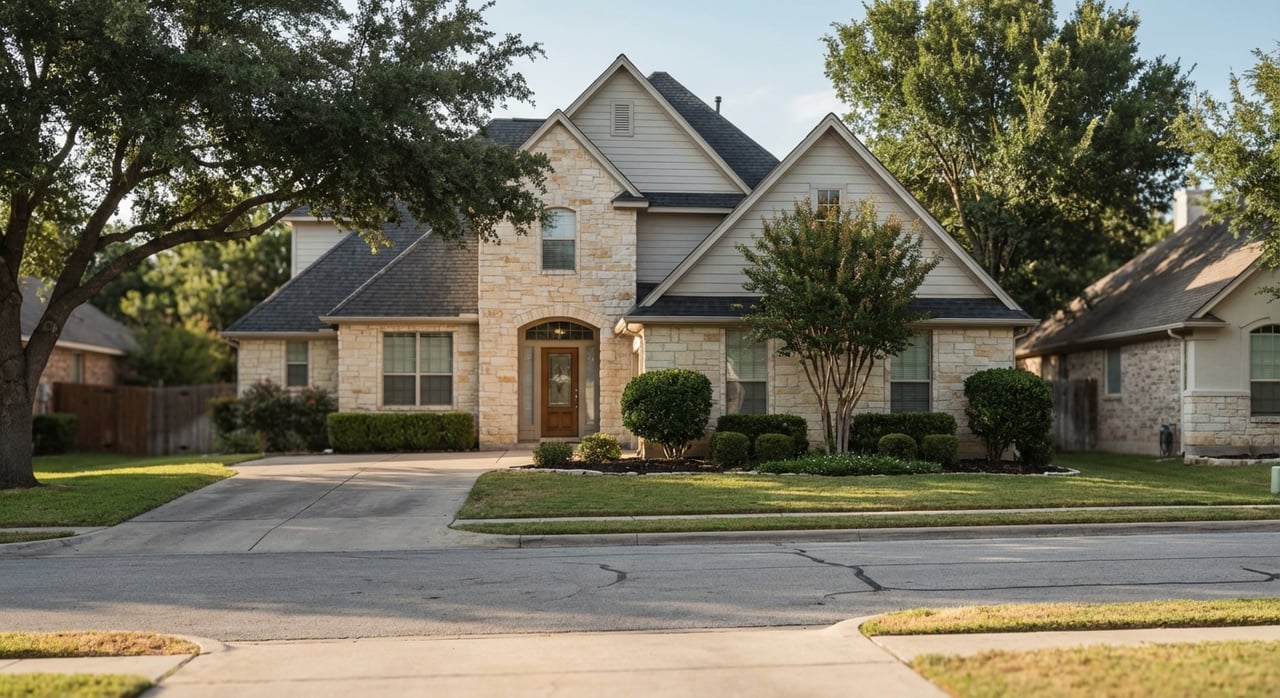
Confused about whether your next home in Emerald Forest will fall under an HOA or a POA? You’re not alone. The terms get used interchangeably in Bryan-College Station, and that can make planning your move or preparing seller disclosures stressful. In this guide, you’ll learn what each association does, how dues and rules work, what to review before you buy, and the red flags to watch for. Let’s dive in.
HOA vs POA in Texas, simply put
In Texas, a homeowners association (HOA) is usually a private nonprofit formed to manage a subdivision’s covenants and shared services. If your lot is subject to recorded covenants, membership is typically automatic and mandatory.
A property owners association (POA) is a broader label that can cover mixed-use or multi-phase communities. Around College Station, people often say POA when they mean HOA. The real difference comes from the recorded Declaration and related documents. Always read the recorded documents to see who is a member, what the association can do, and how costs are allocated.
How associations operate and govern
HOAs and POAs are private entities created under state law and their own recorded documents. They are not city or county departments. Their authority comes from the Declaration of Covenants, Conditions and Restrictions (CC&Rs), bylaws, articles of incorporation, and any published rules and regulations.
A board of directors, elected by owners, manages policy, budgets, and enforcement. Many associations hire a management company to handle day-to-day tasks like billing, vendor contracts, and maintenance. You’ll also see committees, including Architectural Review, finance/reserves, and landscape. As an owner, you typically have voting rights, meeting access, and document access according to the governing documents and Texas law.
What to review before you buy or sell
Before you make an offer, request and read the core documents:
- Declaration/CC&Rs, bylaws, and rules and regulations.
- Current budget, any reserve study, and the last 12–24 months of financial statements.
- Meeting minutes for the past 12–24 months to spot upcoming projects or disputes.
- Insurance summary showing what the association insures and what you must insure.
- Vendor and management contracts for major services.
- Any pending litigation disclosures.
- A sample or actual estoppel or resale certificate.
Texas sellers typically complete the TREC Seller’s Disclosure Notice, which asks about HOA or POA membership, assessments, and restrictions. During the contract period, ask for an estoppel or resale certificate to confirm dues, balances, and any pending special assessments. Lenders often require this information, which can affect closing timelines and fees.
Dues, reserves, and assessments
Regular assessments fund everyday operations like common-area maintenance, utilities, insurance, and management. Healthy associations also budget for reserves to cover major repairs and replacements over time. When reserves are thin, special assessments can fill gaps for big-ticket projects.
Amenity levels influence dues. In BCS, communities range from low-amenity neighborhoods with basic entrance landscaping to moderate-amenity areas with a pool, playground, or small clubhouse, and up to high-amenity developments with private roads, multiple pools, or staffed entries. Neighborhoods similar to Emerald Forest often fit a moderate-amenity profile, which usually means mid-range dues to support maintenance, utilities, and insurance. Responsibilities also matter. If the association handles more exterior or yard items, expect higher dues.
Common rules in College Station neighborhoods
Most CC&Rs in Brazos County include predictable categories. You’ll likely see:
- Exterior standards for paint colors, roofing materials, and fence styles.
- Landscaping and maintenance requirements for lawns and trees.
- Parking and vehicle rules, including limits on boats, RVs, or commercial vehicles.
- Use rules for signage, noise, and home-based businesses.
- Rental guidelines, such as minimum lease terms or short-term rental restrictions.
- Pet rules regarding number of animals and leash/trash policies.
- Architectural Review Committee approval before exterior changes.
Rules vary by community, and city ordinances also apply. Check both the association’s documents and local codes before you list or buy.
Enforcement and your protections in Texas
Typical enforcement moves in steps: notice of violation, time to cure, fines or suspension of amenities, and liens for unpaid assessments. Foreclosure for unpaid assessments can happen in extreme cases and is subject to state law and the association’s procedures.
Owners in Texas have specific procedural protections outlined in statutes and governing documents. Associations must follow notice and hearing steps before imposing fines or taking other enforcement actions. If you receive a violation notice, ask for the procedure in writing and follow the timelines.
Local context: Emerald Forest and BCS
In Brazos County, CC&Rs are recorded with the county clerk, which makes them part of the property’s public record. When you are under contract, your title company will help confirm which documents apply to your specific lot.
City of College Station ordinances can interact with HOA rules, especially for parking, land use, and short-term rentals. If you plan to rent, remodel, or add exterior features, verify both city requirements and HOA or POA procedures.
Property taxes, any special district assessments, and school zoning are separate from HOA dues. Confirm the full tax profile and any district assessments in addition to association obligations.
Practical steps for buyers and sellers
- Pull the recorded CC&Rs for the subdivision through the title company or county records.
- Request governing documents, current budget, recent financials, and 12–24 months of minutes early in the process.
- Confirm current dues, payment frequency, and whether there are transfer or resale certificate fees.
- Ask about planned capital projects and whether special assessments are expected.
- Verify insurance responsibilities and coverage limits.
- Contact the association to confirm amenity status, such as pool or clubhouse access and any planned closures.
- For sellers, complete the TREC Seller’s Disclosure and share HOA contact details promptly to avoid delays.
Buyer and seller checklist
Use this quick checklist before you write or accept an offer:
- Documents to review: Declaration/CC&Rs, bylaws, rules, current budget, reserve study, last 2 years of financials, 12–24 months of minutes, insurance summary, management contract, and sample estoppel.
- Assessments: current amounts, billing frequency, due dates, and payment methods.
- Special assessments: any pending or anticipated projects and estimated owner cost.
- Reserves: current balance and date of the last reserve study.
- Management: professional manager name, contact, and contract term.
- Litigation: any ongoing or threatened suits and potential exposure.
- Collections: late fee policy and lien/foreclosure timelines.
- Rentals: short-term rental rules, minimum lease terms, and any rental caps.
- Architectural changes: ARC process, application fees, and expected review timeline.
- Insurance: what the association insures vs. what owners must insure.
- Transaction fees: transfer or resale certificate fees and who pays them.
- Amenities: open and functional today, with any closures or maintenance pending.
- Code issues: any recent city code enforcement concerns in the neighborhood.
- Estoppel: confirm the lot is current on assessments.
Red flags and negotiation tips
Watch for warning signs such as low or no reserve funds, frequent special assessments, inconsistent enforcement, and pending litigation against the association. Delays or refusals to share current budgets, financials, or minutes can also signal problems.
If you spot a concern, you still may have options. You can negotiate who pays a pending special assessment, request seller credits tied to upcoming common-area repairs, or include contract language that lets you exit if HOA documents or estoppel items are not satisfactory. Timing matters, so raise these items early during the option period.
Ready for expert help?
Whether you’re weighing a purchase in Emerald Forest or preparing to list, you deserve a clear, calm path through HOA and POA details. Our team is local, bilingual, and experienced with BCS communities, from single-family neighborhoods to rental and investment properties. If you want help coordinating documents, timelines, and a strategy that fits your goals, reach out to Lisa Cadena Craig. We’re here to make your next move simple and confident.
FAQs
What is the difference between an HOA and a POA in Texas?
- An HOA typically manages a single-family subdivision, while a POA is a broader term that can include mixed-use or multi-phase communities; in practice, the recorded documents define powers and membership.
How do HOA dues relate to amenities in College Station?
- Dues tend to increase as amenities and association responsibilities increase, moving from basic entrance landscaping to pools, clubhouses, private roads, and more extensive maintenance.
What should I review before making an offer in Emerald Forest?
- Ask for the CC&Rs, bylaws, rules, budget, reserve study, recent financials and minutes, insurance summary, and an estoppel or resale certificate to confirm dues and any pending assessments.
How do special assessments work in Texas HOAs?
- Associations can levy one-time charges for major projects not covered by reserves; check your documents for approval requirements, timing, and owner cost.
Are short-term rentals allowed in College Station neighborhoods?
- It depends on both city ordinances and your community’s CC&Rs; verify local code and the association’s rental rules, including any minimum lease terms or percentage caps.
Where can I find my neighborhood’s CC&Rs in Brazos County?
- Recorded covenants are filed with the Brazos County Clerk and will also be confirmed by your title company during the contract period.