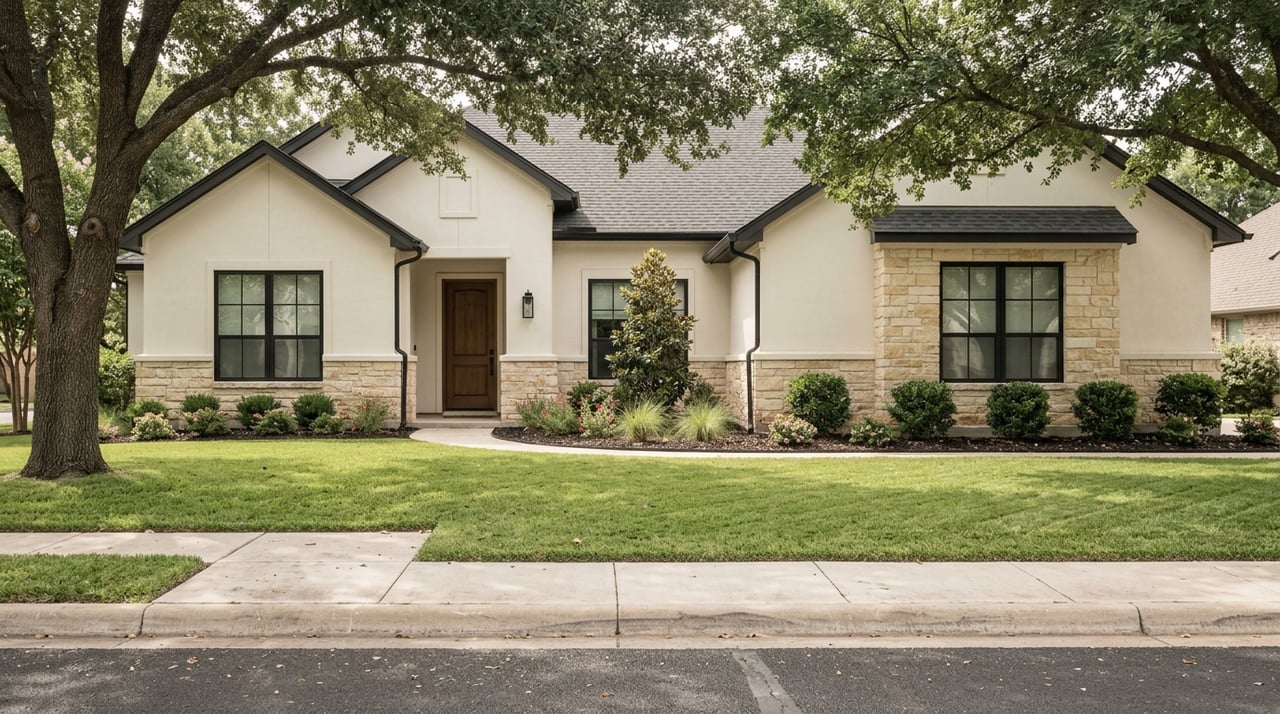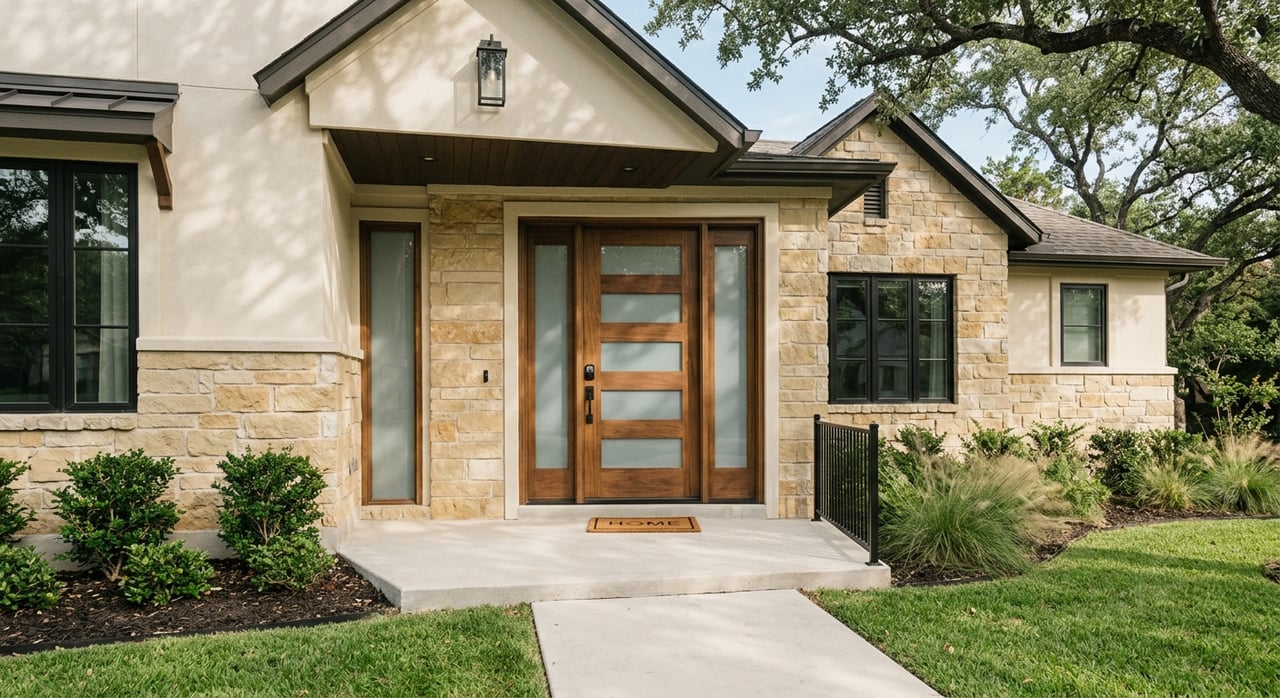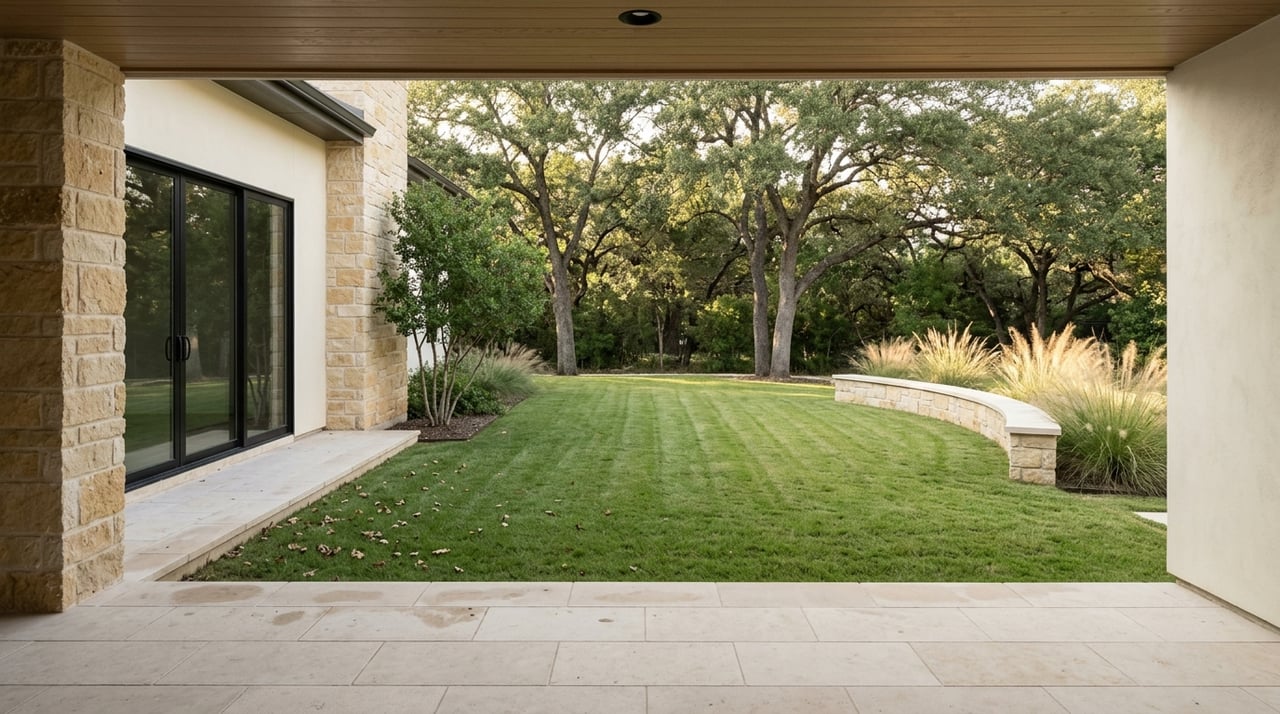
If you are thinking about Pebble Creek, you are probably looking for more than just a house. You may want a polished neighborhood feel, golf community appeal, and easy access to green space, all while staying connected to College Station and Texas A&M. The key is knowing what comes with that lifestyle, what costs extra, and what rules can shape daily living. Let’s dive in.
Why Pebble Creek Stands Out
Pebble Creek began breaking ground in 1990 and is described by its HOA as College Station’s premier golf course community and the only one of its kind in the city. The neighborhood is known for sidewalks, green spaces, common areas, ponds, tree-lined streets, St. Andrews Park, and direct entry to Lick Creek Park.
That combination gives you a community that feels established while still evolving. The HOA notes that new residential lots are still released periodically, so Pebble Creek is not one uniform buildout with the same age, layout, or dues structure across every section.
For many buyers in Aggieland, location is also part of the draw. Pebble Creek Country Club says the community sits in south College Station and is about 15 minutes from Texas A&M, which can make it especially appealing if you want some separation from campus while keeping the university within an easy drive.
Pebble Creek Is More Than Golf
It is easy to hear “golf community” and assume the lifestyle centers only on the course. In Pebble Creek, the private club offering is broader than that.
Pebble Creek Country Club includes a 50,000-square-foot clubhouse, golf, dining, tennis and pickleball, a resort-style pool, fitness, and kids’ programming. That means buyers should think of the neighborhood as a lifestyle community, not just a place with golf views.
If you picture yourself using the pool, meeting friends for dinner, fitting in a workout, or joining social events, the club may be a meaningful part of your decision. If you mainly want the neighborhood setting and curb appeal, that can still work too, but you will want to understand that club access is separate from homeownership.
Club Membership Is Optional
One of the most important things to know before buying in Pebble Creek is that owning a home there does not automatically mean you are a country club member. The HOA states that residents have the option to join Pebble Creek Country Club.
The club currently offers Full, Junior, and Lifestyle memberships. Full membership includes golf, the driving range, tennis, pool, clubhouse, restaurants, workout areas, weight room, group fitness classes, kids club, and special events.
Junior membership is designed for members age 39 and under and converts at age 40. Lifestyle membership includes clubhouse amenities plus six rounds of golf per year, which may suit buyers who want the social side of the club more than frequent golf access.
Understand HOA Fees Before You Buy
Pebble Creek does not have one simple neighborhood fee that applies the same way to every home. Instead, it has layered assessments, and that is one of the biggest details buyers need to verify early.
The master Pebble Creek Owners Association annual assessment is $360 per property in 2026. According to the HOA, that fee supports common-area maintenance, greenspaces, landscaping, common-area utilities, newsletters, owner directories, administration, and enforcement.
Some sections also have separate dues. The HOA lists Garden HOA dues at $130 per month, Patio HOA dues at $340 per quarter, and Stonewater Villages HOA dues at $130 per month.
That means two homes in Pebble Creek can come with different carrying costs depending on the tract. When you compare homes, you will want to look beyond price and taxes to get a true monthly ownership picture.
Why Tract Details Matter
Pebble Creek uses multiple HOAs and phase-specific deed restrictions. Because of that, buyers should confirm exactly which association governs a property before making an offer.
This matters most when you are comparing a standard single-family lot with a garden, patio, or Stonewater section. Dues, maintenance expectations, and restrictions may vary, so the neighborhood should never be treated as one-size-fits-all.
A home that looks like a strong value on paper may come with a different ownership structure than you expected. A careful tract-level review can help you avoid surprises after you go under contract.
Expect More Exterior Rules
A well-kept look is part of Pebble Creek’s appeal, and the neighborhood rules play a role in that consistency. If you value uniformity and strong curb appeal, that may feel like a benefit.
If you want more flexibility, it is important to know the standards upfront. The HOA says exterior changes require Architectural Control Committee approval before work begins.
Plans must show existing and proposed structures, dimensions, materials, and setbacks. The committee meets on Wednesday afternoons, and most reviews are completed in one to two weeks, although the HOA allows up to 30 days.
Projects That Need Approval
The HOA FAQ says approval is required for items such as:
- Sheds
- Second garages
- Play structures
- Pools
- Patio covers
- Awnings
- Additions
- Satellite dishes
If you already know you want to add a pool, expand a garage, or build a covered outdoor area, this should be part of your pre-offer homework. It is much easier to confirm what may be allowed before you buy than to assume after closing.
Everyday Standards To Know
Some Pebble Creek requirements affect daily ownership, not just major projects. The HOA FAQ says the foundation must be concealed with shrubs or other plants, the yard must be sodded, and the home must have an irrigation system.
The HOA also states that boats, RVs, and trailers may not sit in a driveway unless stored in an approved enclosure. Trash receptacles must be kept out of public view.
These rules help preserve a polished neighborhood appearance, but they also add responsibilities and potential costs. If you own recreational vehicles or prefer a more flexible setup at home, that is worth weighing carefully.
Home Use Rules Need A Close Look
Pebble Creek has a board rule that restricts lots and units to single-family residential use and says they may not be used for business, education, religious, professional, or commercial purposes. For buyers, that makes the recorded covenants especially important.
If you are considering a home office setup, a rental plan, or another mixed-use arrangement, you should read the property-specific restrictions closely during due diligence. In a neighborhood with layered associations, details matter.
That does not mean Pebble Creek is the wrong fit. It means your ownership goals should match the property’s governing rules.
Pricing Reflects A Premium Segment
Pebble Creek is generally positioned above the broader College Station market on price. Realtor.com’s current snapshot shows a median listing home price of about $755,000 for Pebble Creek compared with about $369,000 for College Station overall.
Those numbers can change over time, but they help set expectations. Buyers often pay a premium for the golf-community setting, the private-club option, and the neighborhood’s maintained appearance and outdoor access.
That premium also makes it even more important to understand dues, club costs, and resale appeal before you commit. In higher-price neighborhoods, the details around lifestyle fit can matter just as much as the house itself.
Golf Views And Resale Appeal
Many buyers assume golf course lots always command a clear resale advantage. The reality is more nuanced.
Research cited in the report shows that golf-adjacent properties can see an average premium, but that effect is not automatic in every market or every community. A practical takeaway for Pebble Creek is that the golf setting can support buyer appeal, but course condition and changing buyer preferences still matter.
In other words, a golf view may be a plus, but it should not be the only reason you buy. The best long-term decision usually comes from balancing location, layout, condition, fees, and how you plan to use the home.
Outdoor Access Adds Real Value
Pebble Creek’s value is not limited to the club. The City of College Station says Lick Creek Park is a 523-acre preserve with five miles of marked trails, and its trail connector follows Pebble Creek Parkway with buffered bike lanes and sidewalks.
That is a meaningful feature if you want easy access to outdoor recreation without leaving the area. For some buyers, direct access to trails, open space, and neighborhood sidewalks may matter as much as golf.
This is one reason Pebble Creek appeals to a range of households. You can be drawn by the golf identity, the social amenities, the scenery, or the green-space connection.
School Boundary Checks Matter
For buyers who want to understand current public school zoning, the HOA FAQ lists Pebble Creek Elementary, Oakwood Intermediate, A&M Consolidated Middle, and A&M Consolidated High. At the same time, school boundaries are not static.
CSISD approved elementary boundary adjustments for the 2026-27 school year and says Pebble Creek Elementary is projected to reach or exceed capacity. Because of that, you should verify the current school assignment by exact address before closing rather than relying on older marketing materials or general neighborhood assumptions.
That simple step can help you make a more confident decision during the contract period.
Who Pebble Creek Fits Best
Pebble Creek can be a strong fit if you want a more polished, structured neighborhood with lifestyle amenities nearby and a south College Station location. It may also appeal if you are connected to Texas A&M and want a community that feels established and tucked away while staying accessible to campus.
It may be especially worth a closer look if you value:
- A golf-community setting
- Optional private-club membership
- Sidewalks, ponds, and green space
- Access to Lick Creek Park trails
- Strong neighborhood appearance standards
On the other hand, it may require more thought if you want lower carrying costs, fewer exterior restrictions, or more flexibility for property use. The right answer depends on how you want to live, not just what looks good online.
Smart Questions To Ask Before Offering
Before you make an offer in Pebble Creek, try to answer a few practical questions about the specific property:
- Which HOA or sub-association governs this home?
- What are the current dues for the master and any sub-association?
- Are there deed restrictions unique to this tract?
- Do you plan to join the country club, and if so, which membership fits?
- Are any exterior improvements you want likely to require approval?
- Does the home’s use align with the neighborhood’s residential rules?
- Have you verified the current school zoning by address?
These are the kinds of questions that help you buy with clarity. They can also help you compare Pebble Creek against other College Station neighborhoods in a more practical way.
If you want help sorting through tract details, dues, lifestyle fit, and resale considerations, Lisa Cadena Craig can help you look beyond the listing photos and make a smart move in Pebble Creek and across Bryan-College Station.
FAQs
What should buyers know about Pebble Creek club membership?
- Owning in Pebble Creek does not automatically include country club membership, and buyers can choose from Full, Junior, or Lifestyle membership options.
What HOA fees should buyers expect in Pebble Creek?
- Buyers should expect a $360 annual master HOA assessment in 2026, and some sections also have separate dues such as Garden HOA, Patio HOA, or Stonewater Villages HOA fees.
What rules affect home improvements in Pebble Creek?
- Buyers should know that many exterior changes, including pools, sheds, additions, patio covers, and second garages, require Architectural Control Committee approval before work begins.
What makes Pebble Creek different from other College Station neighborhoods?
- Pebble Creek stands out for its golf-community identity, optional private-club lifestyle, maintained common areas, sidewalks, ponds, and direct access to Lick Creek Park.
What should buyers verify before closing on a Pebble Creek home?
- Buyers should verify the exact tract, applicable dues, deed restrictions, planned property use, and current school zoning by address before closing.