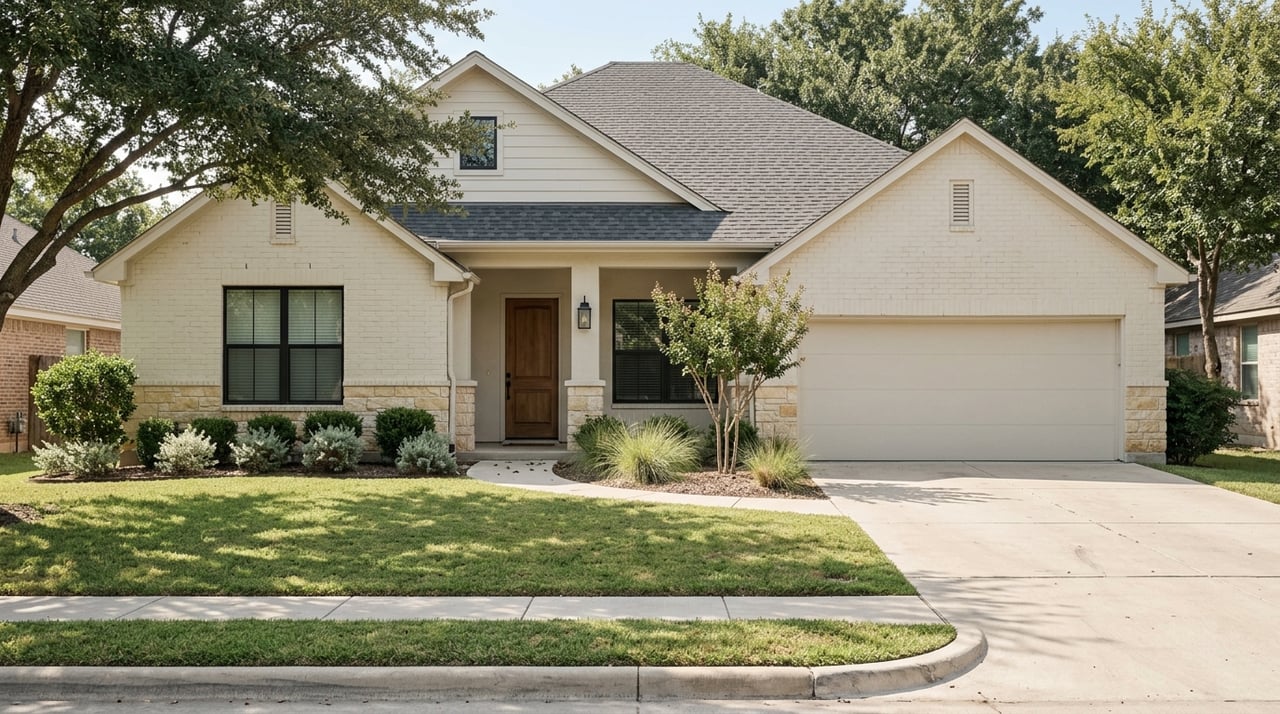
Thinking about moving to College Station and wondering where to start? You are not alone. Between Texas A&M’s huge campus community, a growing job base, and a housing market that changes from one area to the next, relocating here can feel exciting and a little overwhelming at the same time. This guide will help you understand what daily life looks like, how local housing differs by area, and what to verify before you buy so you can make a smart move with confidence. Let’s dive in.
Why College Station Draws New Aggies
College Station continues to attract new residents for one big reason: Texas A&M University anchors so much of local life and employment. The university serves more than 81,000 students, more than 4,300 faculty, and reported 23,028 employees in its Fall 2023 workforce profile, making it a major force in the local economy and community. The city itself had an estimated population of 128,023 in 2024, with 46,214 households, according to Texas A&M and Census-based local data.
But College Station is more than a campus town. Grow College Station highlights a broader employer base that includes biotech, manufacturing, software, research, and business services. That matters if you are relocating for university work, private-sector opportunity, or a household move where more than one career path matters.
For many buyers, that mix creates flexibility. You can search with campus access in mind while still considering commuting, retail, parks, and long-term resale value. If you are moving from out of town, that bigger-picture view can help you avoid choosing a home based on campus distance alone.
What Housing Looks Like Here
One of the biggest relocation mistakes is assuming all of College Station feels the same. It does not. Pricing, housing type, and rental patterns can shift meaningfully depending on where you look.
A Texas A&M Private Enterprise Research Center report using Redfin data found January 2025 median sale prices of $397,992 in 77840, $388,164 in 77845, and $441,546 in 77808, while 77803 came in at $235,719. For broader context, Census QuickFacts reports a median value of owner-occupied homes in College Station of $346,700.
That range tells you something important: your budget may stretch very differently depending on the area you choose. If you are comparing neighborhoods from another city, it helps to review homes by location instead of relying on one average number for the entire market.
Rent also plays a big role in the local housing picture. Census data lists median gross rent at $1,194 in College Station, while the PERC report places the College Station-Bryan MSA gross median rent at $1,160 for 2023. Since only 35.4% of housing units are owner-occupied, College Station is a market where rental demand and owner-occupant needs often overlap.
Comparing Areas by Lifestyle
Near-campus areas
If you want faster access to Texas A&M, near-campus areas may rise to the top of your list. These locations can appeal to students, faculty, staff, and parents looking for a home with easier game day or weekday access. They can also come with more rental activity and more city rules that matter if occupancy is part of your plan.
That does not make them better or worse than other areas. It simply means your decision should match how you plan to use the property. A primary residence, a future rental, and a gameday place each call for a different lens.
Areas with more separation from campus
If you prefer a little more distance from the university core, other parts of the market may offer a different pace and housing mix. Depending on the ZIP code, you may find different price points, lot sizes, and day-to-day traffic patterns. This can be especially helpful if your household is balancing work, storage needs, outdoor access, or a longer-term ownership plan.
For relocation buyers, the best fit usually comes down to routine. Think about where you will work, how often you need campus access, and whether you want your home to function purely as a residence or as a property with future rental potential.
Rules That Matter Near Campus
If you are shopping near Texas A&M, occupancy rules deserve your attention early in the process. The City of College Station states that a typical dwelling unit is limited to no more than four unrelated people. The city also notes that, as of January 2022, there were two existing NCO districts, one in McCulloch and one in part of Southside, which can affect how certain properties are used.
These rules are especially important if you are buying for a student household, a future rental, or a home you may later share with multiple unrelated occupants. Before making an offer, it is wise to review the City of College Station’s occupancy and overlay information so your plans match local rules.
If your long-term plan includes holding the home as a rental, there is another detail to know. College Station requires nonresident rental owners to designate a local contact within 30 miles of City Hall. You can review that requirement through the city’s rental registration guidance.
Commutes, Transit, and Daily Convenience
If you are moving from a larger metro, College Station’s commute times may feel refreshingly manageable. The Census Bureau reports a mean travel time to work of 17.4 minutes. That shorter average can open up more flexibility when comparing areas.
You may still want to think carefully about transportation if your life will center on campus. AggieSpirit bus service does not collect fares, and students, faculty, and staff with a Texas A&M or Blinn ID can board. Brazos Transit District fixed routes also serve Bryan and College Station.
For travel beyond the area, Easterwood Airport is minutes from campus and offers daily American Airlines service to Dallas/Fort Worth. That can be a practical perk for buyers who split time between cities or expect regular visitors.
What Daily Life Feels Like
Relocation is about more than the house itself. You also want to know what your weekends, errands, and everyday routine may look like.
Grow College Station notes that major local retail and entertainment destinations include Century Square, Jones Crossing, Post Oak Mall, and the Historic Northgate District. Those spots give you a sense of how the city blends university energy with everyday convenience.
Outdoor access is another plus. The city’s parks department maintains 58 public parks covering more than 1,900 acres. Wolf Pen Creek includes a 2.7-mile trail system, and the city’s greenways program has built 8 miles of multi-use paths while protecting more than 600 acres of greenways.
That network can be useful when you compare neighborhoods from afar. Parks, trails, and connected paths can influence how often you drive, where you spend free time, and how connected a home feels to the broader city.
Tools for Long-Distance Buyers
If you are relocating from outside the Brazos Valley, you do not have to do everything in person. College Station is well suited for a digital-first home search.
Texas A&M offers on-demand virtual tours and an interactive campus map, which can help you understand campus access before your first visit. On the city side, the planning and GIS tools let you review zoning, platting, property information, parks, greenways, and school-attendance-zone layers from anywhere.
That kind of remote research matters because it helps you narrow the field before you travel. You can compare commute patterns, nearby amenities, and location tradeoffs in a more practical way instead of guessing from listing photos alone.
Digital access in the city supports that process well. Census data shows that 98.9% of households have a computer and 84.6% have broadband internet subscriptions. That makes live video walkthroughs, document review, and virtual communication realistic for many relocation buyers.
A Smart Relocation Checklist
Before you make an offer in College Station, focus on a few practical checks:
- Confirm how often you need access to Texas A&M, work, or other regular destinations
- Compare price trends by ZIP code instead of assuming one citywide average
- Review occupancy rules if more than one unrelated person may live in the home
- Check whether your future plan includes renting the property later
- Use city and campus mapping tools to review parks, zoning, and access points
- Think through whether transit, biking, or driving will shape your daily routine
If you are buying from out of town, these steps can save time and help you avoid surprises after closing. They also make it easier to choose a home that works not just for move-in day, but for the next several years.
Why Local Guidance Helps
Relocation moves usually come with more moving parts than a local purchase. You may be learning the city, coordinating a job change, comparing housing types, and trying to make decisions on a compressed timeline.
That is where local, relationship-driven guidance can make a real difference. A team that understands Aggieland, uses digital tools well, and can communicate clearly in English or Spanish can help you sort through area differences, remote tours, occupancy questions, and long-term property goals with less stress.
Whether you are moving for Texas A&M, a new job, or a household transition, the goal is simple: find the right fit for how you actually plan to live. If you want help comparing neighborhoods, narrowing your search, or exploring homes remotely, connect with Lisa Cadena Craig for local guidance tailored to your move.
FAQs
What should new Aggies know before moving to College Station?
- You should know that College Station is shaped by Texas A&M but also has a broader job base, varied housing prices by ZIP code, short average commutes, and local occupancy rules that can matter near campus.
How much do home prices vary in College Station?
- January 2025 median sale prices ranged from $388,164 in 77845 to $397,992 in 77840 and $441,546 in 77808, while 77803 was lower at $235,719, showing that location can significantly affect what your budget buys.
What occupancy rules affect homes near Texas A&M in College Station?
- The City of College Station states that a typical dwelling unit is limited to no more than four unrelated people, and some near-campus areas also fall within existing overlay districts that may affect property use.
Can you live in College Station without driving every day?
- Depending on where you live and work, you may be able to rely partly on transit, biking, and walking, especially around campus where AggieSpirit bus service is available to eligible riders and greenway paths connect parts of the city.
What should out-of-town buyers verify before buying in College Station?
- You should verify commute needs, area-specific pricing, zoning and occupancy rules, future rental plans, and nearby amenities using virtual tours plus the city’s mapping and planning tools before making an offer.